
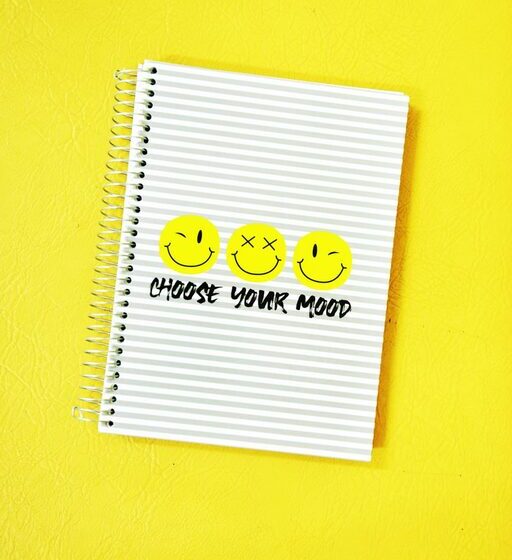

Choosing the right notebook can make a big difference in how often and how effectively you use it. Whether you want a notebook for jotting down ideas, planning your day, journaling, or sketching, finding one that suits your style and needs is key. With so many options available, it’s easy to feel overwhelmed. This guide will help you pick a notebook you’ll actually enjoy using, so it becomes a helpful tool rather than just a pretty object sitting on your shelf.
Understand Your Purpose
Before buying a notebook, take a moment to think about what you want to use it for. Your needs will influence everything from size to paper type.
– Note-taking: If you need a notebook for meetings, classes, or quick notes, consider something with lines or dot grids.
– Creative projects: For drawing or bullet journaling, blank or dot grid pages offer more flexibility.
– Journaling: A journal often benefits from good-quality paper and a durable cover to protect your thoughts over time.
– Lists and planning: A planner-style notebook with sections and dates might be the best fit.
Knowing your primary purpose can narrow down your options and prevent impulse buys.
Choose the Right Size
Notebooks come in many sizes, and the right one depends on how you plan to carry and use it.
– Pocket-sized (A6 or smaller): Great for quick notes on the go but offers limited writing space.
– Portable (B5 or A5): A popular middle ground, easy to carry and provides enough room for most writing needs.
– Large (A4 or bigger): Best for detailed notes, sketches, or when you have a dedicated workspace.
Consider whether you’ll carry your notebook daily or keep it at your desk. Portability is important if you plan to take it everywhere.
Paper Quality Matters
The feel of the paper and how it interacts with your favorite pens or pencils can dramatically affect your experience.
– Thickness (measured in GSM): Thicker paper (above 80 GSM) prevents ink from bleeding through.
– Texture: Smooth paper works well with gel or ballpoint pens, while textured paper suits pencil or fountain pen users.
– Color: White paper offers high contrast, while cream-colored paper is softer on the eyes.
If possible, test a sample or check reviews about how the paper performs with different writing tools.
Binding Types and Durability
How a notebook is bound affects its lifespan and ease of use.
– Spiral-bound: Allows notebooks to lay flat and fold back but can get bent or damaged.
– Perfect-bound: Like many paperback books, these have a clean look but may not open fully flat.
– Sewn binding: Offers durability and can lie fairly flat, often preferred for journals.
– Hardcover vs. softcover: Hardcover notebooks protect pages better and last longer; softcovers are lighter and more flexible.
Think about how and where you’ll use your notebook to choose the best binding for your lifestyle.
Layout and Design Features
The interior layout can impact your writing experience.
– Lined pages: Ideal for writing and keeping text neat.
– Dot grid: Popular for bullet journaling and flexible note-taking.
– Blank: Great for sketching and free-form work.
– Grid: Useful for technical drawings or graphs.
Additionally, some notebooks have helpful features like page numbers, indexes, perforated pages, or built-in pockets.
Cover Style and Aesthetic
A notebook’s cover can motivate you to use it more often, so pick something that appeals to you.
– Material: Options include leather, fabric, cardboard, or plastic.
– Design: Minimalist, patterned, or personalized covers are all available.
– Color: Choose a color that makes you happy or fits your environment.
Remember, the cover protects your notes and is a reflection of your personal style.
Price and Brand Considerations
Quality notebooks come in a range of prices. Decide on your budget before shopping.
– Affordable options: Great for casual users or those who go through notebooks quickly.
– Mid-range: Offers better paper and binding quality, suitable for frequent use.
– Premium notebooks: Often feature high-end paper, sturdy covers, and special designs.
Popular brands like Moleskine, Leuchtturm1917, and Rhodia offer reliable quality and different styles to explore.
Try Before You Commit
If possible, visit a stationery store to get a feel for different notebooks. Write a few lines, check how pages turn, and see what feels good in your hands. This hands-on experience can save you money and frustration.
Tips for Staying Committed to Your Notebook
Once you’ve chosen your perfect notebook, here are a few tips to keep using it:
– Set a regular time: Dedicate a few minutes daily or weekly to write, plan, or doodle.
– Keep it visible: Store your notebook where you can easily reach it.
– Personalize it: Add stickers, tabs, or color coding to make it inviting.
– Use it for specific tasks: Assign your notebook a role like “daily planner” or “creative ideas” to maintain focus.
Conclusion
Choosing a notebook is a personal process that depends on what you want to achieve. By considering your purpose, size, paper quality, binding, and style, you can select a notebook you’ll enjoy using every day. The right notebook not only keeps your thoughts organized but also inspires creativity and productivity. Happy writing!