
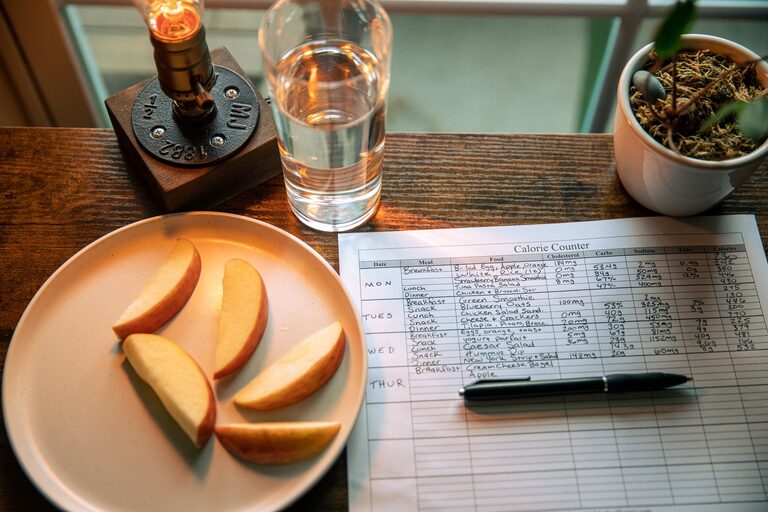

Planning balanced meals doesn’t have to be a source of stress or confusion. With a few straightforward strategies, you can prepare nutritious, satisfying meals that support your health and fit your busy lifestyle. This guide will help you understand what balanced meals are, why they matter, and how to plan them efficiently and enjoyably.
What Is a Balanced Meal?
A balanced meal includes a variety of foods that provide the essential nutrients your body needs to function at its best. Typically, a balanced plate contains:
– Protein: Supports muscle repair and overall growth.
– Carbohydrates: Provides energy, preferably from whole grains and vegetables.
– Healthy Fats: Important for brain health and energy.
– Fruits and Vegetables: Rich in vitamins, minerals, and fiber.
– Hydration: Water or other low-calorie beverages to stay hydrated.
The goal is to create meals that combine these elements in the right proportions without overcomplicating the process.
Why Plan Balanced Meals?
Planning meals ahead of time offers several benefits:
– Saves Time: Reduces daily decision-making and last-minute cooking stress.
– Promotes Health: Ensures you get the nutrients needed for energy and well-being.
– Controls Portions: Helps manage calorie intake and avoid overeating.
– Reduces Food Waste: Buying only what you need cuts down on waste.
– Saves Money: Planning reduces impulse buys and eating out.
Simple Steps to Plan Balanced Meals Without Stress
1. Understand Your Needs
Everyone’s nutrition needs differ based on age, activity level, and preferences. Start with the general guideline of making half your plate fruits and vegetables, a quarter protein, and a quarter whole grains. Adjust portions and food choices according to your lifestyle.
2. Keep It Simple
Balanced meals don’t require complicated recipes. One-pot dishes, sheet-pan meals, and salads with varied toppings can be nutritious and quick. Focus on familiar ingredients and straightforward cooking methods.
3. Plan Weekly Menus and Grocery Lists
Set aside time once a week to map out meals for each day. Include breakfast, lunch, dinner, and snacks. Based on your menu, create a grocery list organized by sections of the store to speed up shopping.
4. Batch Cook and Prep Ahead
Cooking larger portions and storing leftovers saves time during busy days. Chop vegetables, cook grains, or prepare proteins in advance, so assembling meals is faster.
5. Use Balanced Plate Inspiration
Here are some easy meal ideas based on the balanced plate approach:
– Lunch: Grilled chicken breast, quinoa, mixed green salad with olive oil dressing, and a side of steamed broccoli.
– Dinner: Baked salmon, sweet potato, sautéed spinach, and a fruit salad.
– Breakfast: Greek yogurt with fresh berries, nuts, and a drizzle of honey.
6. Incorporate Variety to Stay Interested
Eating a range of foods not only covers more nutrients but also keeps meals exciting. Rotate proteins like beans, fish, poultry, and tofu. Use different vegetables and fruits to explore flavors and colors.
7. Listen to Your Body
Eat mindfully, paying attention to hunger and fullness cues. Balanced meals aren’t about rigid rules but nourishing your body and enjoying food.
Tips to Manage Meal Planning Stress
– Set Realistic Goals: Start small—plan for a few days instead of the whole week if that feels easier.
– Use Technology: Apps for meal planning and grocery lists can simplify the process.
– Get Everyone Involved: Share meal planning and preparation with family members or roommates.
– Don’t Aim for Perfection: It’s okay to use convenience foods occasionally or reorder takeout.
– Keep Staples on Hand: Frozen vegetables, canned beans, and whole grains can be lifesavers.
Conclusion
Planning balanced meals without stress is achievable by embracing simplicity, preparing ahead, and focusing on variety and nutrition. By incorporating these strategies, you’ll enjoy healthier eating habits that fit your life comfortably and sustainably. Remember, the goal is progress, not perfection. Happy cooking!