
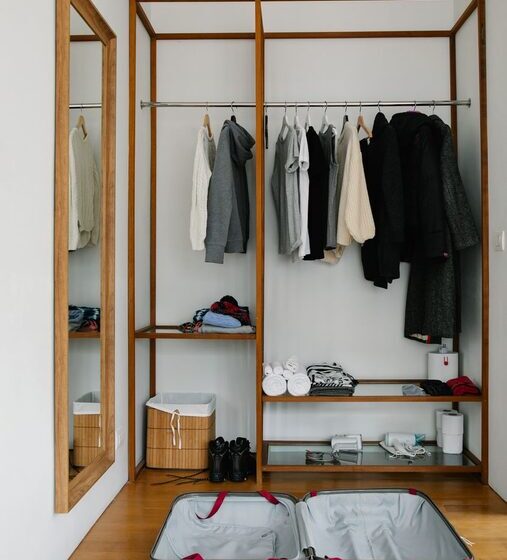

Storing seasonal clothes efficiently is essential for maintaining an organized closet and prolonging the life of your garments. Whether you’re packing away heavy winter coats or bulky summer gear, having a clear system can save you time, space, and frustration. In this post, we’ll explore practical tips and methods to store your seasonal wardrobe neatly and safely.
Why Store Seasonal Clothes Properly?
Seasonal clothes take up a lot of space. Without proper storage, they can become wrinkled, dusty, or damaged. Efficient storage helps by:
– Protecting fabrics from wear and tear
– Saving space in your closet or storage area
– Making it easier to find and access clothes when needed
– Keeping your home cleaner and more organized
Step 1: Sort Your Clothes Before Storing
Before putting clothes away, start by sorting them carefully.
Declutter and Decide
– Assess what you really need: Separate the clothes you want to keep from those you no longer wear.
– Repair or clean: Mend any small tears and wash your clothes before storage.
– Donate or recycle: Consider giving away or recycling items you won’t use anymore.
Organize by Category
Group similar items such as sweaters, jackets, scarves, and hats. This makes it easier to find things and keeps your storage neat.
Step 2: Clean Clothes Thoroughly
Make sure every piece you store is clean and completely dry.
– Wash or dry clean: Dirt, oils, and stains can attract pests or cause damage.
– Dry completely: Moisture can lead to mold and mildew, so clothes must be fully dry.
– Use fabric fresheners: Natural options like lavender sachets help keep clothes smelling fresh.
Step 3: Choose the Right Storage Containers
Selecting the correct storage containers is key to protecting your clothes.
Types of Containers
– Plastic bins with airtight lids: Ideal for protecting clothes from moisture and insects.
– Vacuum-sealed bags: Great for reducing space but avoid using them long-term for delicate fabrics.
– Fabric storage bags: Allow clothes to breathe but may not protect against pests.
– Storage boxes with lids: Offer a sturdy option but ensure they seal well.
Tips for Container Use
– Avoid clear plastic bags that can trap moisture.
– Label each container clearly to identify contents easily.
– Leave some space for air circulation, especially for delicate items.
Step 4: Store Clothes Appropriately According to Type
Different fabrics and items need different storage methods.
Heavy Clothes (Coats, Sweaters)
– Fold and store in breathable containers or bins with moth repellents.
– Avoid hanging heavy sweaters as they can lose shape.
Lightweight Clothes (T-shirts, Dresses)
– Fold neatly to prevent wrinkles.
– Use acid-free tissue paper between layers to protect delicate fabrics.
Accessories (Scarves, Hats, Gloves)
– Store in smaller boxes or drawer organizers.
– Keep like items together for easy access.
Step 5: Choose the Right Storage Location
The environment where you store clothes matters greatly.
– Cool and dry: Avoid damp basements or hot attics.
– Away from direct sunlight: Prevents fading and fabric deterioration.
– Well-ventilated: Helps prevent musty odors and mold.
Step 6: Protect Clothes from Pests
Pests like moths can damage stored clothes.
– Use natural repellents like cedar blocks, lavender sachets, or cloves.
– Regularly check stored items for signs of pests.
– Avoid using toxic mothballs, especially in living areas.
Step 7: Maintain Your Storage System
Good storage doesn’t end at packing.
– Rotate clothes seasonally to use items regularly.
– Air out clothes that have been stored for a long time.
– Reassess your wardrobe every season and update your storage habits.
Bonus Tips for Efficient Seasonal Storage
– Use under-bed storage boxes to maximize space.
– Invest in closet organizers with adjustable shelves.
– Keep a list or photo inventory of what’s in each container.
– Store shoes in individual boxes or clear organizers to keep pairs together.
Conclusion
Efficiently storing seasonal clothes is all about preparation, the right containers, and choosing suitable storage spaces. By following these steps, you can keep your wardrobe organized, protect your garments, and enjoy a clutter-free home year-round. Happy organizing!